
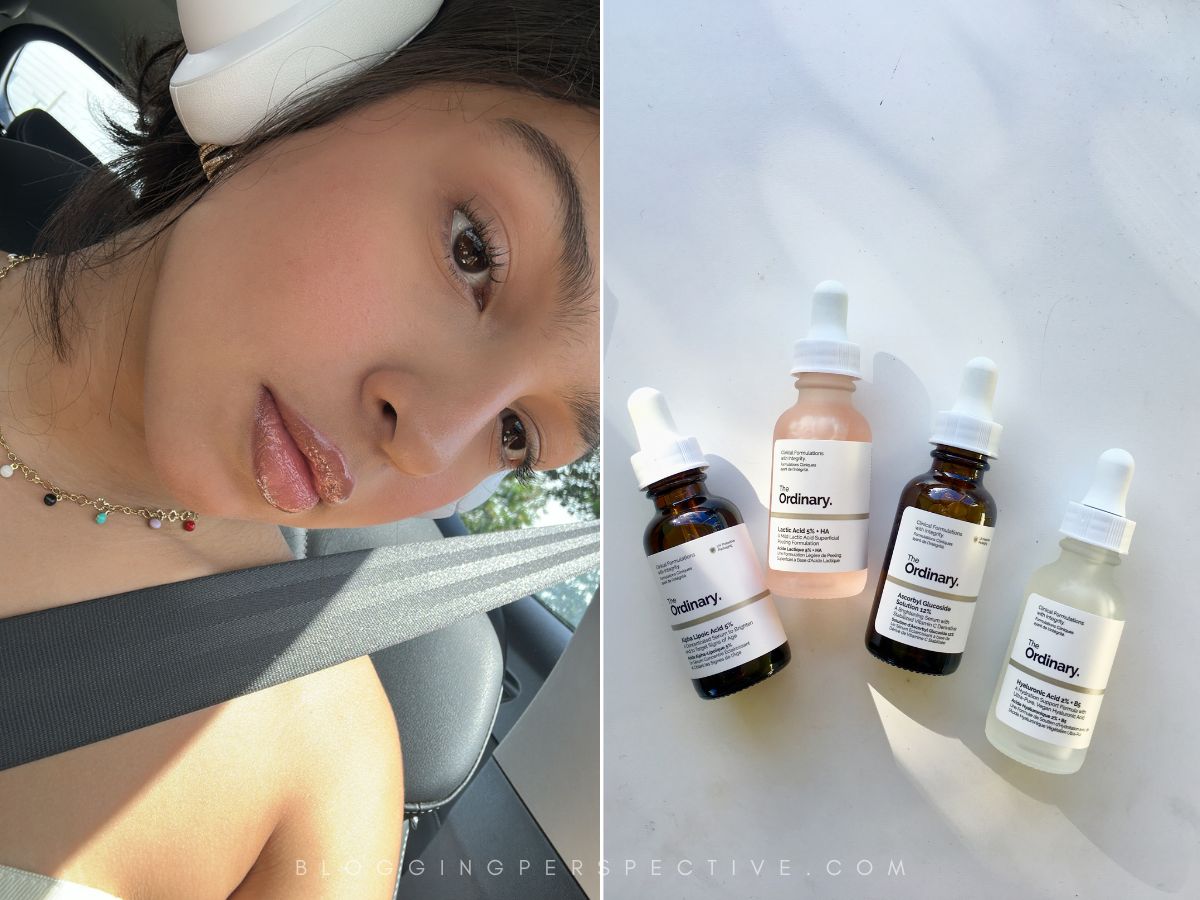
Acne is honestly such a common problem. And yet most people are still treating it the wrong way. Your skin is not broken. But your routine might be.
You have probably tried a new cleanser, a viral serum, or a trending face mask that promised to fix everything. It didn’t. So you tried something else. And something else after that. The cycle never ends because the advice keeps changing and nobody agrees on anything.
Here is what makes this guide different. Every tip below comes from real dermatologists, peer-reviewed studies, and current clinical data from 2024 and 2025. No guesswork. No hype. No TikTok myths.
You will leave this article with 10 specific actions you can start today. Some are free. Some cost a few pounds. All of them work if you stick with them.
TL;DR – All 10 Tips at a Glance
- Build a simple 3-step daily routine (cleanse, moisturise, SPF)
- Wear sunscreen every single day – no exceptions
- Use actives that science actually backs, not TikTok trends
- Protect your skin barrier before adding anything new
- Clean up your diet – your gut talks to your skin
- Sleep better and manage stress – cortisol causes breakouts
- Stop the DIY experiments – they do more harm than good
- Be consistent, real results take 8 to 12 weeks
- Drink water and move your body regularly
- See a dermatologist – most people never do!
Tip 1: Build a Simple 3-Step Routine – And Actually Stick to It
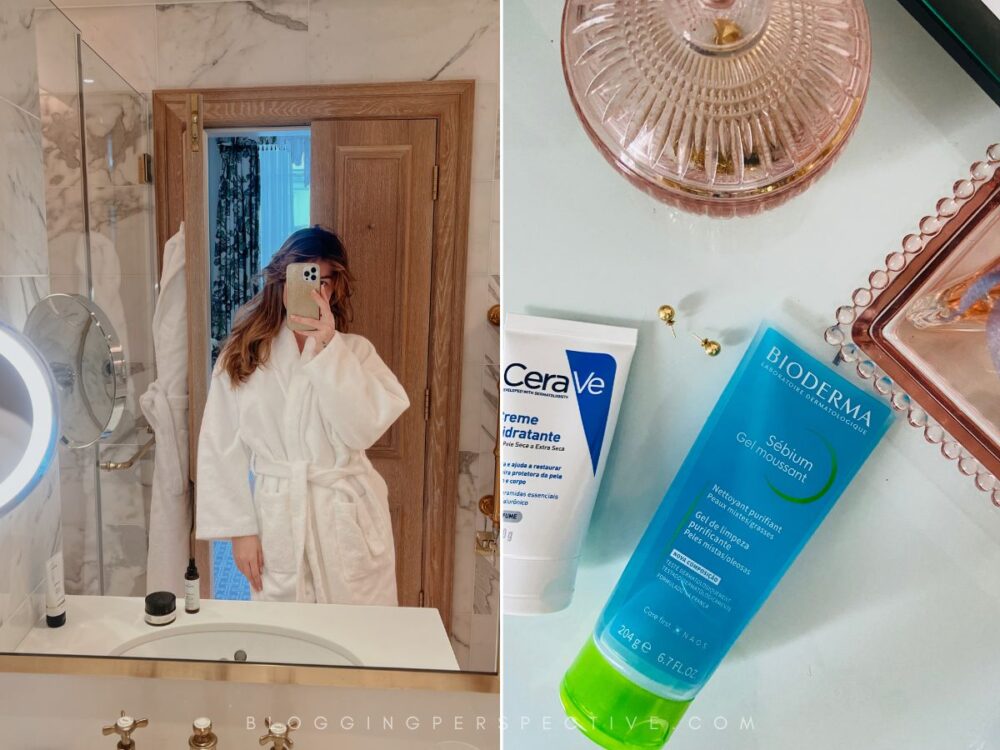
Here is the biggest mistake most people make with their skin. They use too many products.
A 10-step routine sounds impressive. But for many people, it backfires. Layering multiple strong products overloads your skin. It causes redness, dryness, and breakouts — the exact things you were trying to fix.
Dr. Shasa Hu, Associate Professor of Dermatology at the University of Miami Miller School of Medicine, puts it simply: “Go back to the basics. The foundation of skincare is cleanse, moisturise, and protect. Sunscreen is non-negotiable.”
Dr. Nada Elbuluk, Associate Professor at USC’s Keck School of Medicine, agrees: “In 2025, I hope people will realise that less is more with skincare routines.”
So what does a 3-step routine actually look like?
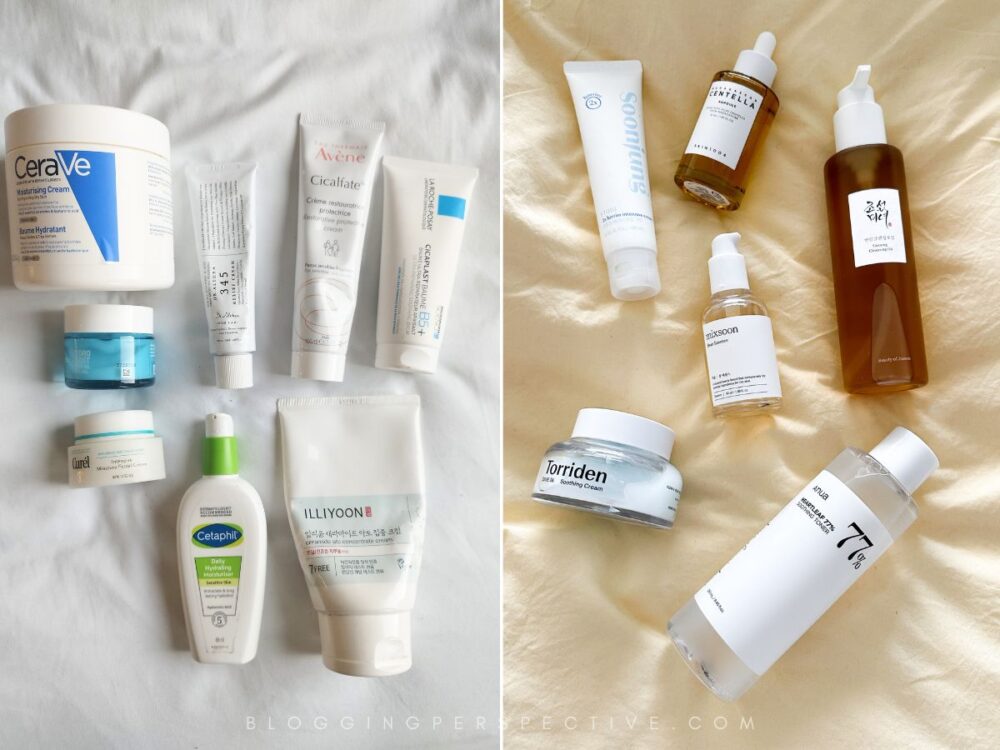
Step 1 — Cleanser (morning and night) Wash your face twice a day using lukewarm water. Use a gentle, fragrance-free cleanser. Brands like CeraVe, Cetaphil, and La Roche-Posay are consistently recommended by board-certified dermatologists. They are affordable and widely available.
Avoid anything with alcohol, strong fragrance, or gritty scrub particles. These strip your skin and make things worse.

Step 2 — Moisturiser (morning and night) Yes, even oily or acne-prone skin needs moisture. When your skin is dry, it overproduces oil to compensate. That oil clogs pores. A light, non-comedogenic moisturiser breaks that cycle.
Look for ingredients like hyaluronic acid, glycerin, or ceramides on the label.
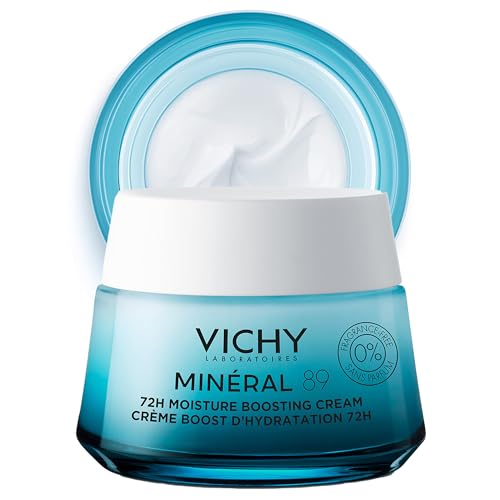
Step 3 — SPF (morning only) Sunscreen is covered in full in Tip 2. But it belongs here because it completes the core three. More on this step in the next section!

Main Takeaway: Cleanse, moisturise, protect. That’s it. Master these three before adding anything else.
Tip 2: Wear SPF Every Single Day – Yes, Even Indoors
Most people only apply sunscreen at the beach or on sunny days. That is a mistake.
UV radiation passes through windows. It is present on overcast days. It causes premature skin ageing, dark spots, and worsens the marks left behind by acne. If you are trying to get clear skin, skipping SPF means you are actively working against yourself.
Columbia Skin Clinic’s dermatologists describe sunscreen as “the most powerful anti-ageing step in your routine.” Dr. Ophelia Veraitch, a UK-based consultant dermatologist, is equally direct in Refinery29: “Using the right actives plus a decent SPF matters far more than price.”
You do not need an expensive product. Here are three solid options that dermatologists actually recommend:
- EltaMD UV Clear Broad-Spectrum SPF 46 — popular for acne-prone skin because it doesn’t clog pores
- CeraVe Ultra-Light Moisturising Lotion SPF 30 — affordable, fragrance-free, lightweight
- Cetaphil UVA/UVB Defense SPF 50 — gentle, good for sensitive skin

Apply it every morning as the last step before going outside. Reapply every two hours if you are outdoors.
One more thing. Harvard dermatologists found that patients who receive certain professional laser treatments annually have a 50% reduced risk of developing non-melanoma skin cancers. But daily SPF use remains just as effective for everyday protection — and costs a fraction of the price.
Apply SPF every single morning. No exceptions. It is the easiest high-impact habit you can build.
Tip 3: Use Ingredients Science Actually Backs, Not Trends
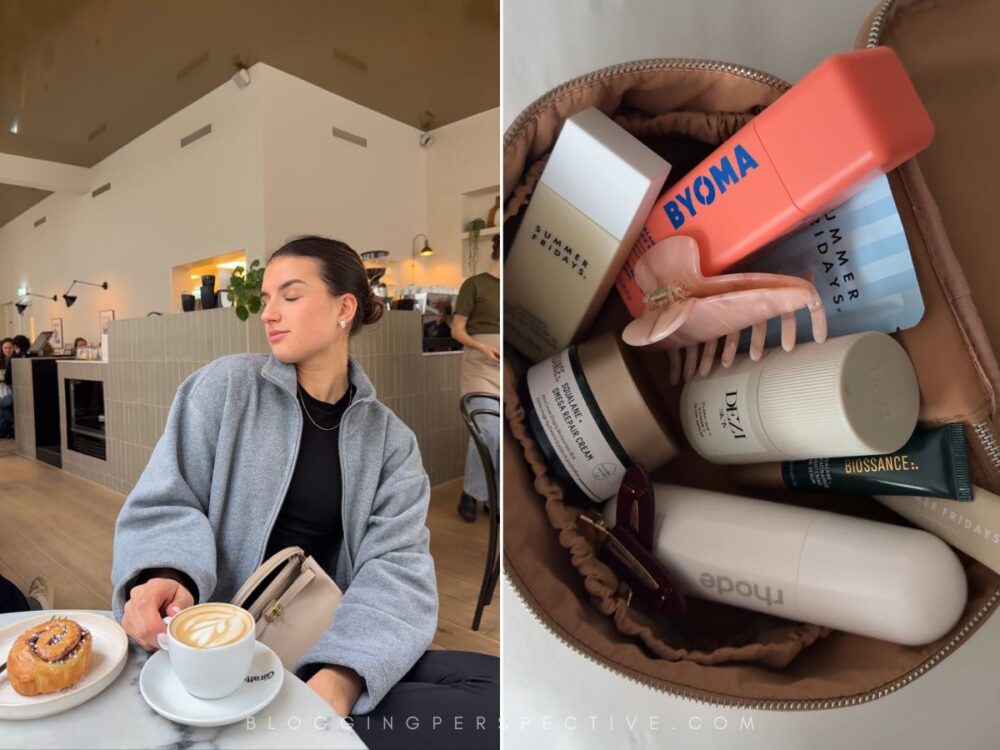
Social media is full of skincare advice. A lot of it is wrong.
Ingredients like baking soda, lemon juice, and beef tallow have all gone viral online. But Dr. Joyce Park, a board-certified dermatologist and founder of Skin Refinery Clinic, is clear: “These ingredients don’t have proper evidence behind them — and some can genuinely harm your skin.”
So what actually works?
Retinoids — for cell turnover and acne Retinoids are vitamin A derivatives. They speed up cell turnover, unclog pores, and reduce breakouts over time. They are the most well-studied anti-acne and anti-ageing ingredient in dermatology. Start with a low-concentration retinol two to three times per week at night. Build up slowly. Peeling and dryness at the start are normal. They pass.

Niacinamide — for inflammation and barrier support Niacinamide (vitamin B3) reduces redness, calms inflamed skin, and helps tighten pores. It works well alongside most other ingredients, which makes it a safe choice for beginners. Look for a 5 to 10% concentration.
Vitamin C — for brightening and protection Vitamin C is an antioxidant. It protects your skin from environmental damage during the day and helps fade dark marks left by spots. Use it in the morning before SPF. Dr. Veraitch recommends La Roche-Posay’s 12% Pure Vitamin C Serum for a solid, research-backed option.
Tranexamic acid — for hyperpigmentation This one flies under the radar. Dr. Veraitch calls it “one of the most effective and underutilised ingredients for treating pigmentation.” If you have post-acne marks or uneven skin tone, tranexamic acid is worth trying.
Azelaic acid — for acne and redness Azelaic acid fights acne-causing bacteria, calms inflammation, and helps with pigmentation. It is gentler than retinoids and works for most skin types.
One important note. Do not use all of these at once. Introduce one new product at a time. Wait three to four weeks before adding anything else. Your skin needs time to adjust.
Stick to proven ingredients. Retinoids, niacinamide, vitamin C, tranexamic acid, and azelaic acid are your best bets in 2026.
Skin Decoded
Science-backed skincare — no trends, no gimmicks
Cleanse, moisturise, protect. More isn’t better — layering actives overloads skin and causes the very problems you’re fighting. Start with fragrance-free basics and master the trio first.
UV passes through windows and clouds alike. Skipping sunscreen undoes your entire routine. Apply SPF 30+ every morning as your final step — indoors or out, sun or grey.
Stick to proven actives: retinoids for turnover, niacinamide for calm, vitamin C to brighten, and tranexamic acid for pigmentation. Introduce just one at a time.
Over-exfoliating and harsh cleansers destroy your barrier. Rebuild with ceramides and hyaluronic acid first. If skin stings or feels tight, pause all actives and heal before resuming.
Tip 4: Protect Your Skin Barrier Before Doing Anything Else
Your skin barrier is the outermost layer of your skin. Think of it like a protective wall. When it is healthy, moisture stays in and irritants stay out. When it is damaged, your skin becomes dry, red, itchy, and prone to breakouts.
A lot of people with skin problems have a damaged barrier — and they don’t know it.
What damages the barrier?
- Over-exfoliating (more than 2 to 3 times per week)
- Using harsh, foaming, or alcohol-based cleansers
- Stacking too many active ingredients at once
- Skipping moisturiser
Optima Dermatology’s 2026 skincare trend report points to a growing focus on barrier repair using ceramide-rich and lipid-rich formulas. The dermatology world is moving away from aggressive routines and back toward nourishment.
Dermatologist sources also reference the concept of “inflammaging” — chronic, low-grade inflammation in the skin that accelerates ageing. A compromised barrier is one of the main drivers.
Here is what can help:
- Ceramides — these are lipids that make up about 50% of your skin’s barrier. Look for them in your moisturiser.
- Hyaluronic acid — can hold up to 1,000 times its weight in water. It keeps skin plump and hydrated.
- Gentle exfoliation only — use a chemical exfoliant like lactic acid or polyhydroxy acid (PHA) once or twice a week max. Skip the rough scrubs.
Before you add any new active to your routine, ask yourself: is my barrier healthy? If your skin is tight, flaky, or burning after products that shouldn’t sting, the answer is probably no. Heal the barrier first.
A healthy skin barrier is the foundation for everything else. Without it, even good products won’t work properly.
Tip 5: Be mindful with your diet

This is the tip most skincare guides skip. It’s also one of the most important.
Research published in early 2025 confirmed that the gut and skin are connected through what scientists call the gut-skin axis. It works both ways. When your gut is out of balance, it can show up on your face.
Here’s how it works. Your gut is home to trillions of bacteria. When those bacteria are out of balance (a state called dysbiosis), your immune system reacts. That reaction triggers inflammation — which can worsen acne, eczema, rosacea, and other skin conditions.
On the positive side, a 2022 review in the Journal of Investigative Dermatology found that dietary fibre intake supports the gut microbiome. The gut then produces short-chain fatty acids (SCFAs) that reduce inflammation and actually strengthen your skin barrier.
A high-sugar, processed food diet has the opposite effect. It feeds harmful bacteria, spikes insulin, and increases sebum production — the oily substance that clogs pores.
What should you eat more of?
Probiotic foods (add good bacteria): Yogurt, kefir, kimchi, sauerkraut, miso, and other fermented foods. Aim for one serving a day.
Prebiotic foods (feed the good bacteria already there): Garlic, onions, leeks, oats, bananas, and asparagus. These are cheap and easy to add to any meal.
Anti-inflammatory foods: Salmon, walnuts, chia seeds, leafy greens, berries, and avocado. A 2025 clinical trial published in JAMA Dermatology (the MEDIPSO study) found that a Mediterranean-style diet improved skin conditions in psoriasis patients, compared to a control group.
Cut back on: Refined sugar, white bread, ultra-processed snacks, and fizzy drinks. These spike blood sugar and drive inflammation.
You don’t need to overhaul your entire diet. Start by adding one probiotic food per day and cutting one processed food per day. Give it 6 to 8 weeks before judging the results.
Tip 6: Fix Your Sleep and Manage Your Stress
You can use every right product and eat perfectly. But if you are sleeping badly and living at high stress, your skin will still break out.
Here’s why. Cortisol is your stress hormone. When it spikes — from poor sleep, anxiety, or chronic pressure — it increases sebum production. More sebum means more clogged pores. According to the Global Wellness Institute (2025), cortisol also disrupts your gut microbiome. And as covered in Tip 5, a disrupted gut leads to inflamed skin.
Poor sleep also weakens your immune system and slows down your skin’s overnight repair cycle. Your skin actually regenerates most during deep sleep.
The good news is that the basics work.
For better sleep:
- Aim for 7 to 9 hours per night
- Keep your phone outside the bedroom (or at minimum, face down)
- Go to sleep and wake up at the same time every day — even on weekends
- Keep your bedroom cool and dark
For stress management:
- Even 10 minutes of slow, deliberate breathing per day has been shown to lower cortisol
- Daily walks reduce stress hormones and improve circulation, which benefits skin
- Journalling or offloading mental clutter before bed helps many people sleep faster
You don’t need an expensive wellness app. The fundamentals are free.
Tip 7: Stop the DIY Experiments, They Often Make Things Worse
When a skincare tip goes viral, it is tempting to try it. Most of the time, you should resist that temptation.
When Today.com surveyed six board-certified dermatologists and asked for their single most important piece of skincare advice heading into 2025, every single one said the same thing: stop following DIY trends from social media.
Dr. Park said it directly: “Leave behind TikTok DIY skincare trends — like making your own sunscreen or putting all sorts of stuff on your face.”
Some of the most common viral ingredients have no clinical evidence behind them. A few are actively harmful. Baking soda disrupts your skin’s pH. Lemon juice can cause chemical burns when exposed to sunlight. Homemade sunscreen offers little to no real UV protection.
It’s not just about unusual ingredients either. Overly aggressive at-home chemical peels, excessive face steaming, and pore-popping are all popular online — and all capable of damaging your barrier, spreading bacteria, or causing scarring.
If you have unexplained redness or sensitivity and you’re not sure which product is causing it, Dr. Veraitch recommends cross-checking your products against the North American Baseline Series. This is a list of the most common allergens known to cause contact dermatitis, used by dermatologists. You can ask a dermatologist to review your products against it.
And if in doubt about a new ingredient or product, check the published research before your face.
Tip 8: Be Patient – Real Results Take Months, Not Days
This might be the hardest tip on the list.
Most people give up on a product or routine after two weeks because they don’t see results. Then they switch to something new. And the cycle starts again.
Here is the truth. Most clinically proven skincare ingredients take 8 to 12 weeks of consistent use before you see meaningful improvement. Retinoids often take three months to show their full effect. Even niacinamide, which works faster than most, needs four to six weeks to visibly reduce inflammation and discolouration.
When you switch products every two weeks, you are never giving anything long enough to work. Worse, constantly introducing new products makes it impossible to know what is actually helping and what is causing a reaction.
Dermatologist sources recommend a simple approach:
- Introduce one new product at a time
- Use it consistently for four to six weeks before judging
- Track your skin in a journal — note any improvements, reactions, or questions
- Only add the next product after your skin has adjusted to the last
One strong routine used consistently will always beat ten different routines used inconsistently.
It’s also worth noting that drugstore brands perform just as well as expensive ones in most head-to-head comparisons. CeraVe, Vanicream, and La Roche-Posay contain the same active ingredients as high-end medical-grade products, for a fraction of the price. Dr. Veraitch confirms it: “People often believe that the more expensive the product, the better the results — but that’s rarely true.”
Tip 9: Drink Water and Move Your Body
This tip is simple. It’s also consistently overlooked.
Hydration matters for skin. When you are dehydrated, your skin becomes tight, dull, and more prone to irritation. Proper hydration supports your skin barrier function from the inside out.
Eight glasses of water per day is a rough target. The real goal is drinking consistently throughout the day rather than gulping a lot at once. Herbal teas and water-rich foods (cucumber, watermelon, celery) also count.
Exercise helps too. It improves blood circulation, which delivers more oxygen and nutrients to skin cells. It also helps regulate cortisol levels — which, as covered in Tip 6, directly affects your skin.
There is one thing to watch out for. After exercising, wash your face as soon as you can. Leaving sweat on your skin for hours can clog pores. The sweat itself doesn’t cause acne — but bacteria sitting in dried sweat does. A quick rinse with your regular gentle cleanser is all you need.
Tip 10: See a Dermatologist (Most People Never Do!)
Here is a stat that might surprise you. In the United States, only 10% of people with acne actually see a dermatologist. The other 90% spend money on over-the-counter products, trying to guess what their skin needs.
Over $6 billion is spent on acne treatments in the US every year. Most of it goes to products that haven’t been matched to the person’s specific acne type.
A board-certified dermatologist can do something no product review can. They can look at your skin, diagnose the type of acne or condition you have, and prescribe treatments that are actually calibrated to you.
Prescription-grade options your dermatologist can offer include:
- Prescription retinoids (tretinoin) — stronger and faster-acting than over-the-counter retinol
- Topical antibiotics — for bacterial acne
- Azelaic acid at higher concentrations — for redness, acne, and pigmentation
- Oral medications — including spironolactone for hormonal acne in women, or low-dose antibiotics for persistent cases
In 2026, many dermatology clinics also offer AI-assisted skincare planning. These tools use facial imaging data to build a personalised routine. It doesn’t replace a consultation, but it adds precision.
You don’t need to book an appointment for mild, occasional spots. But if you have been dealing with consistent breakouts for three months or more, or if your acne is leaving scars or dark marks, seeing a dermatologist is the most efficient next step. It will save you both time and money in the long run.
Clear Skin Is Built, Not Bought
Acne is not a hygiene problem. It is not a sign that you are lazy or careless. It is a condition with real biological causes — genetic, hormonal, dietary, and lifestyle-related — and it affects hundreds of millions of people worldwide.
The good news is that the science on skin health has never been clearer than it is in 2026.
You don’t need 10 products. You need three good ones, applied consistently. You don’t need a complicated diet. You need more fibre, less sugar, and a few fermented foods. You don’t need to stay up late watching skincare videos. You need seven to nine hours of sleep.
Pick one tip from this list today. Not all ten. Start with the one that feels most doable right now.
If it’s Tip 1, get a gentle cleanser, a basic moisturiser, and an SPF. Use them every single morning and night for the next 30 days without changing anything else.
Your clear skin routine doesn’t need to be complicated. It needs to be consistent and backed by science.
Sources and Further Reading
- American Academy of Dermatology (AAD): aad.org/media/stats-numbers — official acne statistics
- MDacne Acne Statistics Update (March 2025): mdacne.com/article/acne-statistics-update
- Pierre Fabre / JAAD Global Acne Study (February 2024): Study of 50,552 participants across 20 countries
- Gut-Skin Axis Review (March 2025): Tandfonline — bidirectional microbiota-driven relationship
- MEDIPSO Trial, JAMA Dermatology (2025): Mediterranean diet and psoriasis skin outcomes
- Global Wellness Institute — Beauty-Gut Connection (June 2025): globalwellnessinstitute.org
- Columbia Skin Clinic — 2026 Skincare Goals: columbiaskinclinic.com
- Refinery29 — Dermatologist Skincare Advice 2026: refinery29.com (featuring Dr. Ophelia Veraitch)
- Today.com — Dermatologists’ #1 Skin Tip (December 2024): featuring Dr. Shasa Hu, Dr. Joyce Park, Dr. Nada Elbuluk, Dr. Evan Rieder
- Pacific Crest Dermatology – Skin Health 2026: pacificcrestdermatology.com/blog/skinhealth2026